
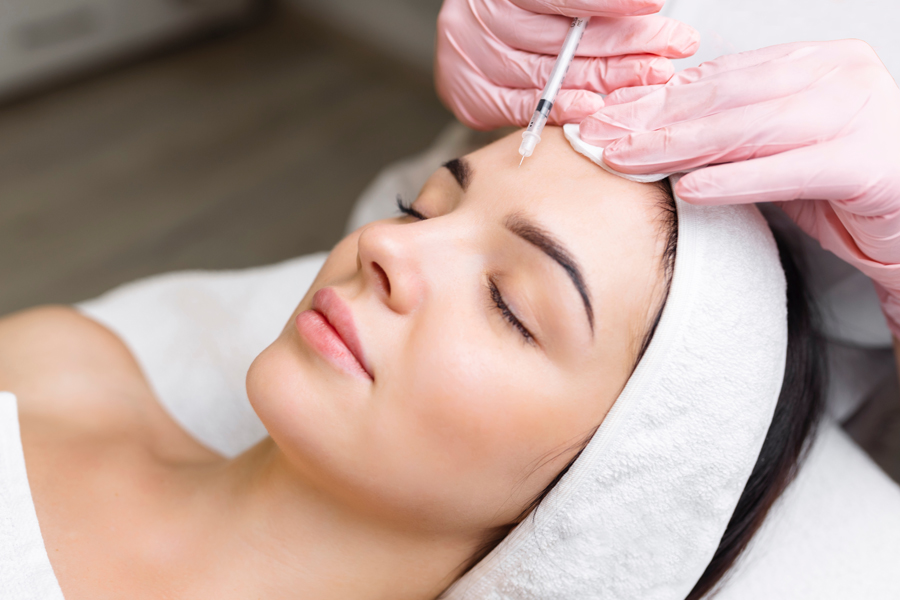
In contemporary society, the pursuit of youthful, wrinkle-free skin is more prevalent than ever. However, many beauty consumers remain hesitant to embrace dermo-aesthetic treatments due to concerns about their invasiveness. These individuals often prefer to stick to traditional topical beauty products, which they perceive as safer and less intimidating.
Despite this, the growing dissemination of information regarding dermo-aesthetic treatments and the compelling evidence of their anti-wrinkle effects have gradually built trust among consumers. Consequently, an increasing number of individuals are now opting for procedures like botulinum toxin type-A (BTA) injections, to combat and reduce the signs of ageing caused by repetitive facial movements.1
BTA treatments have gained popularity due to their ability to deliver noticeable and almost immediate results. The toxin works by disrupting the formation of the SNARE complex in motor neurons, thereby inhibiting the release of acetylcholine, a neurotransmitter responsible for muscle contraction. This results in muscle paralysis and a reduction in the appearance of wrinkles.
However, the efficacy of BTA diminishes over time, typically lasting about three to four months. After this period, the toxin is metabolized and excreted from the body, causing the treated muscles to regain their ability to contract, and the signs of ageing to reappear.2,3 Given the temporary nature of BTA treatments, there is a growing need for complementary solutions that can extend their effects.
Log in or register FREE to read the rest
This story is Premium Content and is only available to registered users. Please log in at the top of the page to view the full text.
If you don't already have an account, please register with us completely free of charge.


